
By Leslie Garcia
“Money makes the world go round.” We hear that saying all the time, and clinical research is no exception. Developing a site budget that fits “just right” supports study start-up timelines, reduces negotiation cycles and allows the study to move towards providing participants with possible life-changing treatments.
One generally overlooked factor affecting clinical trial start-up timelines is the value that the initial site budget holds. In my experience as a site budget builder and negotiator, the finalized initial budget often provides insight of how negotiations will proceed. When a budget misses the mark—whether it is too low or overly generous—it can delay timelines, increase negotiation cycles, and possibly strain sponsor-site relationships before enrollment begins.
Let’s talk about what happens when the budget is too low. The site sees that email with the budget attached and eagerly open it, only to find a budget that does not cover the cost of the actual work required and now that excitement slowly fades away. The site may respond more slowly, request multiple changes, and several negotiation rounds may be required, extending start-up timelines. Even after an agreement is reached, site enthusiasm may be lower, creating frustration for the study team or sponsor. Is this how Goldilocks felt when she sat in Poppa Bear’s big, beautiful chair, only to find it too hard?
On the other hand, an overly generous budget may be accepted quickly with little or no negotiation. While this can create early momentum, it can also raise sponsor expectations and put pressure on the site to deliver fast enrollment, clean data, and fewer action items or queries. Like Goldilocks in Momma Bear’s soft, comfy chair, it may seem ideal at first but can quickly become uncomfortable. The sponsor may also find that their funds are allocated and locked in early, leaving less flexibility for needed changes. The sponsor may also find this can create unrealistic expectations for future studies.
So, how do we find the “Goldilocks” of a site budget that is fair, efficient, realistic, and predictable for both the sponsor and the site? At CTRG, we have found that in ophthalmology research, building a site budget using negotiation history, cost data, and a complete review of all procedures, fees and expectations can create a more positive experience for everyone involved.
Use negotiation history to guide the budget build. CTRG, specializes in ophthalmology research. Our experience in this field of research equips us with a history of budgets that have succeeded in the past. Negotiation history plays a valuable role in developing a site budget since we already have the data without having to start with a blank spreadsheet. A budget based on what similar studies have paid for the same procedures helps move negotiations forward efficiently. Sites are more likely to accept fees that are consistent with what they have agreed to in the past, and sponsors that share previously approved procedural fees help set clear expectations from the beginning. This is especially helpful when working with repeat clients, as both the sponsor and site are often more likely to agree to fees that have already been accepted in prior studies.
Review current cost data and trends. Cost data is key to building a strong site budget. Reviewing past budgets and procedure costs helps confirm whether proposed fees reflect current market expectations. Pricing that worked years ago may no longer apply. Identifying these trends with the sponsor early can reduce negotiation rounds and highlight potential budget changes. When working with site networks, we often see patterns in the items that are commonly requested. Sharing this insight during the budget build promotes transparency and prepares everyone for what sites may request.
Include all protocol-required procedures, fees, and expectations. A budget that clearly ties all protocol-required procedures, including invoiceable items, to the Schedule of Events helps prevent confusion and reduces the need for sites to request additional fees. Including items such as randomization, Principal Investigator and Study Coordinator time, data entry, and stipends creates a more complete budget for review. The budget should also account for expectations beyond the Schedule of Events, such as on-site surgery training. Covering travel, time away from clinic, and related needs in the budget shows the site that the sponsor recognizes the potential impact on the surgeon’s practice.
A well-constructed and thought-out site budget is more than a spreadsheet; it’s a study tool. Grounded in historical data, current market conditions, and protocol-specific needs, it can reduce negotiations, strengthen sponsor-site relationships, and supports faster activation and enrollment. For sponsors, that means less time negotiating and more time advancing promising therapies to patients. Has Goldilocks found her perfect seat in Baby Bear’s chair, not too hard and not too soft? Perhaps. With CTRG’s proven knowledge in ophthalmic research, finding the right middle ground in a site budget may be closer than it seems.
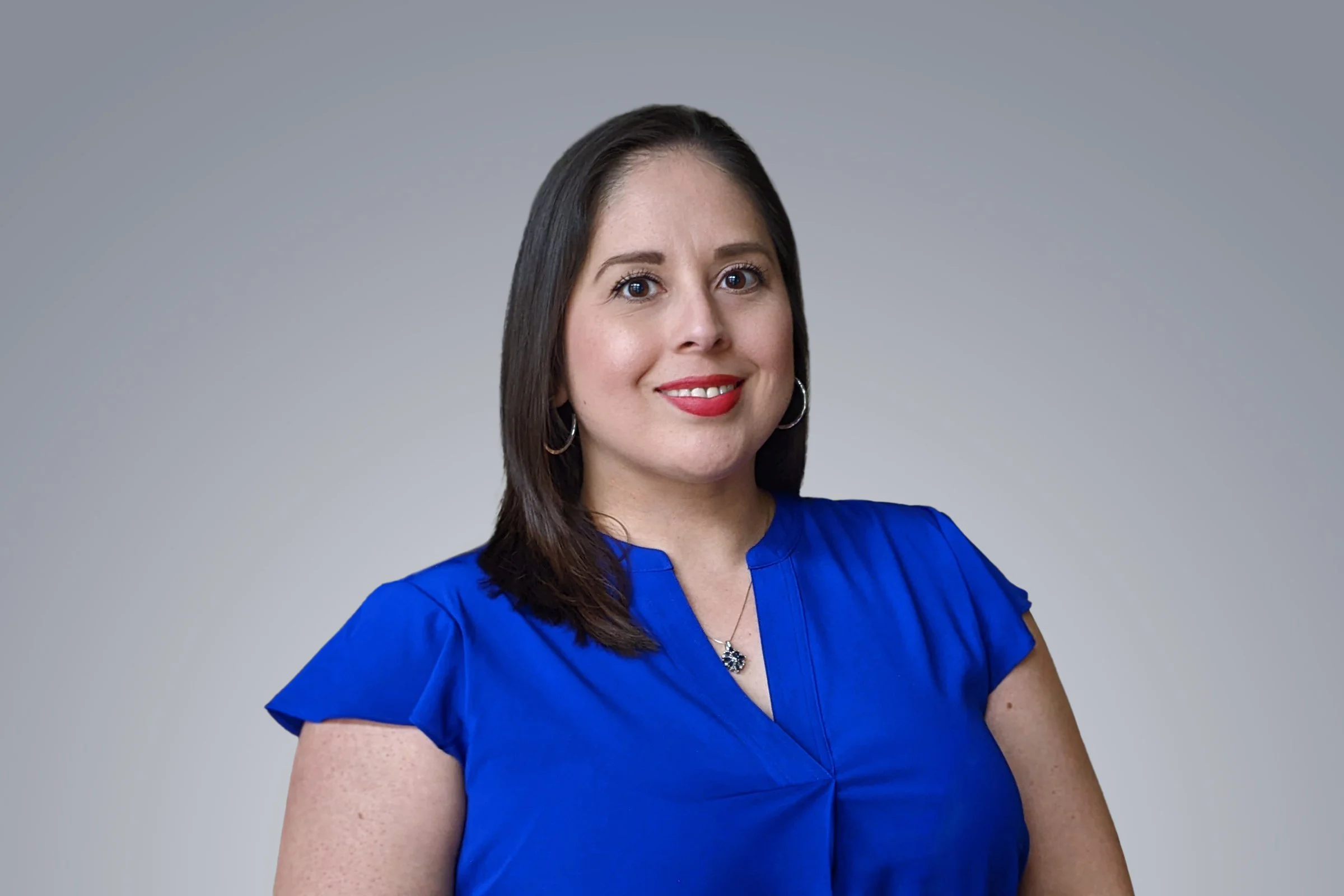
About the Author
Leslie Garcia is the Clinical Manager at CTRG where she specializes in Site Contracts, Budgets, Site payments, and Start-Up. Leslie has been with CTRG for 6 years and has a great amount of experience in site budgets from the initial budget build to final payments. Leslie’s attention to detail and exceptional organizational skills drives study start-up and supports many other aspects through the lifecycle of clinical studies.